Dallas Cowboys vs. Baltimore Ravens: Where to Watch the First NFL Game in Rio de Janeiro
· Rolling Stone
· Rolling Stone
· Free Press Journal
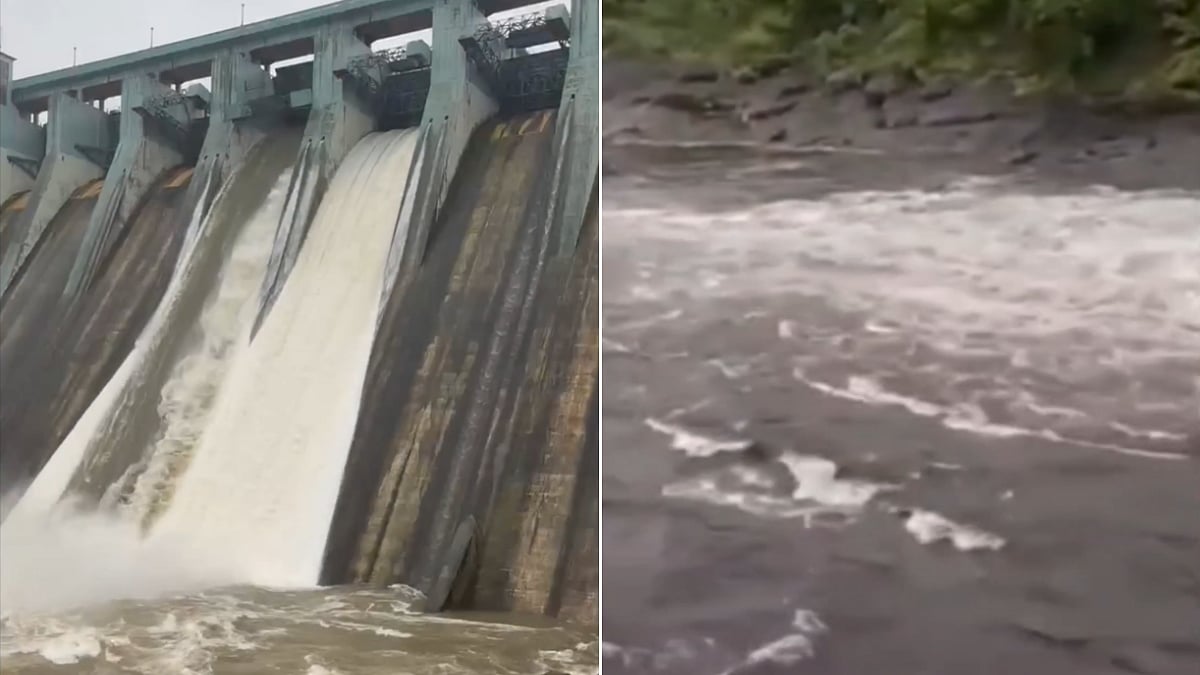
Mumbai: Mumbai's water stock continued to decline, standing at 97.14 per cent on Sunday, compared with 97.37 per cent recorded on Saturday. All seven reservoirs supplying water to the city recorded no rainfall in their catchment areas over the past 24 hours.
Seven reservoirs hold 97.14 per cent
Visit chinesewhispers.club for more information.
According to the latest report issued by the Hydraulic Engineer's Department from the Master Control Centre at Bhandup Complex on September 27, the seven lakes collectively held 1,405,980 million litres (ML) of useful live storage against their total capacity of 1,447,363 ML.
मुंबईला पाणीपुरवठा करणाऱ्या ७ जलाशयांचा आज सकाळी ६ वाजेपर्यंतचा अहवाल #MyBMCUpdates pic.twitter.com/HchgweH3mu
— माझी Mumbai, आपली BMC (@mybmc) September 27, 2026
The current water stock is lower than the corresponding level recorded last year. In 2025, the combined storage stood at 1,434,790 ML, or 99.13 per cent of the total capacity.
Bhatsa records marginal decline
Among the seven lakes, Bhatsa, the largest reservoir in the system, held 709,355 ML, or 98.93 per cent of its capacity. Its water level fell by 0.05 metres over the past 24 hours.
Vihar remained at full capacity at 100 per cent, while Tulsi recorded 99.77 per cent, with 8,027 ML of useful storage. Vehar recorded a marginal decline of 0.01 metres, while Tulsi's water level fell by 0.02 metres.
Middle Vaitarna stood at 98.72 per cent, with 191,059 ML in storage after its water level dropped by 0.01 metres. Tansa recorded 96.50 per cent storage, holding 140,004 ML following a decline of 0.03 metres.
Mumbai Water Update: Reservoir Stock Slips To 97.39%; 7 Lakes Record No Rainfall In Last 24 HoursOther reservoirs see water-level changes
Upper Vaitarna stood at 96.60 per cent, with 219,332 ML of useful storage, and recorded no change in its water level.
Modak Sagar recorded the sharpest decline among the seven lakes, with its water level falling by 0.19 metres. Its useful storage stood at 110,506 ML, or 85.71 per cent.
All seven lakes recorded no rainfall in their respective catchment areas during the past 24 hours. Despite the marginal decline, the reservoirs continued to hold more than 97 per cent of their combined useful capacity. However, the continued decline in water levels remains a concern.
To get details on exclusive and budget-friendly property deals in Mumbai & surrounding regions, do visit: https://budgetproperties.in/
· National Post
Visit fish-roadgame.com for more information.