Nearly 44% Of World's Languages Face Extinction, Putting Centuries Of Cultural Knowledge At Risk
· Free Press Journal
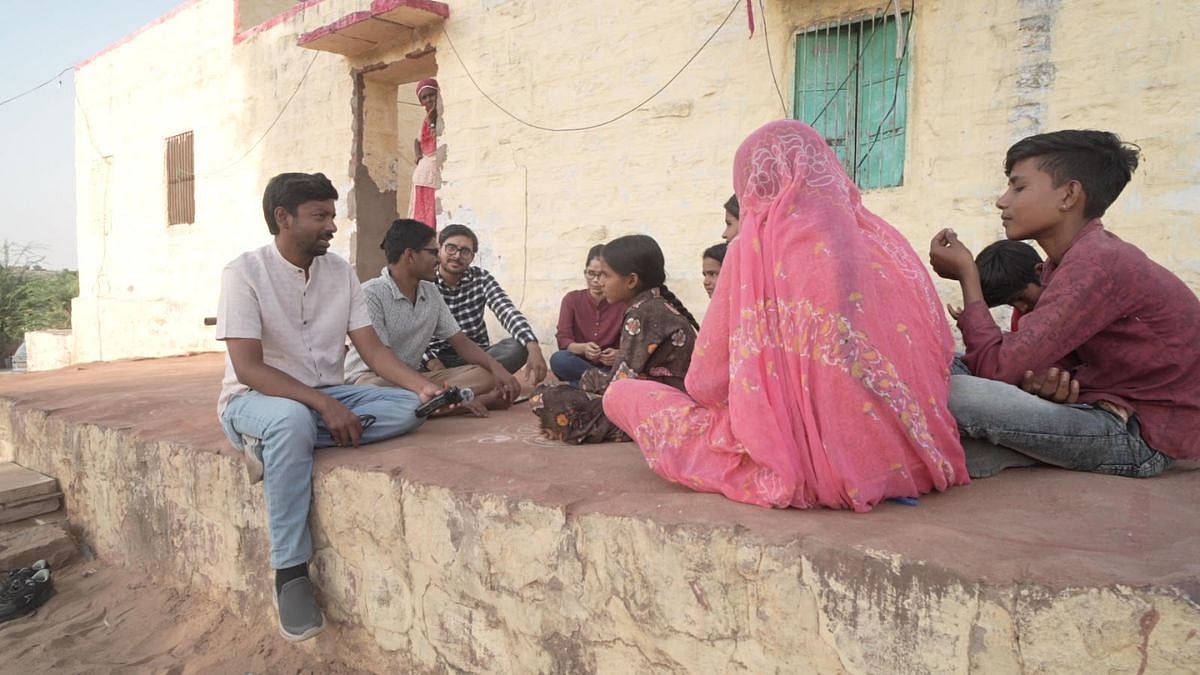
Jaipur: According to researchers studying endangered and lesser-spoken languages at At the Indian Institute of Technology Jodhpur (IIT-J), nearly 44 percent of the world’s approximately 7,164 languages are spoken by fewer than 1,000 people, and this situation is placing many of them at risk of disappearing in the coming decades.
The decline of a language can mean more than the loss of a means of communication; researchers say it can also threaten the transmission of a community’s traditional knowledge, cultural practices, social traditions, and ways of understanding the world.
Visit casino-promo.biz for more information.
Dr. Gurujegan Murugesan, Assistant Professor at the School of Liberal Arts (IIT-J), is studying lesser-spoken languages through fieldwork, linguistic documentation, grammatical analysis, and research on language preservation and revitalization.“When a language becomes endangered, it is not only the language that is at risk. Cultural knowledge accumulated across generations and ways of life connected to that language are also affected,” Murugesan said.
‘Jo Hua Wo Nahi Hona Chahiye Tha’: Delhi Minister Parvesh Verma Says Man Abused Family Before Slap - VIDEO“Our field studies, therefore, focus not only on documenting the language but also on understanding the knowledge that communities have transmitted through it.”The IIT Jodhpur research team undertakes field visits every semester to collect linguistic data while documenting aspects of the communities’ cultural knowledge. The fieldwork also gives students an opportunity to directly engage with languages, cultures, and ways of life different from their own.
One of the key areas of research is the Bhil community in the Osian region of Rajasthan. Living in the harsh desert environment of the Thar, communities have developed practices adapted to difficult climatic conditions. These include traditional approaches to housing, food, clothing, and the careful use of limited water resources.
Researchers are examining how such local knowledge is embedded in the community’s language and whether declining use of the language among younger generations could affect the transmission of this knowledge.
Ayodhya Ram Temple Donation Case: Man Allegedly Stole Cash 85 Times, Chargesheet RevealsAnother major area of research is Mundari, spoken by Munda communities in Jharkhand and belonging to the Austroasiatic language family. Analysis of data collected during the research has identified a distinctive and relatively rare number system in Mundari.
The research is examining why such a grammatical system is uncommon, how Mundari behaves differently from other languages, and what it reveals about the range of possibilities in human grammar.
IIT Jodhpur researchers are also studying heritage languages that are maintained by migrant families at home while another language dominates their wider social environment.
As part of a collaborative project, the team is studying second-generation Tamil migrant communities in Switzerland. Tamil is used within families, while Swiss German and French are widely used in the broader social environment.
‘Threatened To Kill Me’: Man Alleges Delhi Minister Parvesh Verma Slapped Him Over Road IssueThe study seeks to understand how growing up in a multilingual setting affects the development and use of a heritage language among children and young people.
The collaborative research is being conducted with Prof. Anita Auer of the University of Lausanne, with support from the Swiss National Science Foundation and the Indian Council of Social Science Research.
Through these three strands—field linguistics, theoretical linguistics, and sociolinguistics—the IIT Jodhpur research seeks to understand how languages evolve, how knowledge is preserved through language, and how linguistic systems remain closely connected with society and culture.